Senior Living: Adopting a Dynamic Lifestyle
Elderly care in today's world reflects a shift towards a more dynamic existence. It brings together comfort with opportunities for social connection and self-improvement. Strategically designed settings enable autonomy while nurturing social relationships. Wellness and health programs function as an important element, together with stimulating events that foster companionship. Which components genuinely factor into this satisfying experience? Investigating these aspects reveals how current senior living can significantly boost the quality of life for aging adults.
What Contemporary Retirement Living Entails
Contemporary senior living has developed substantially, demonstrating a fusion of comfort and community. Modern facilities focus on aesthetics and functionality, delivering well-designed apartments that meet the needs of older adults. Open floor plans, natural light, and accessible features strengthen the living experience, encouraging a sense of independence.
Community spaces fulfill an integral purpose, offering collective spaces for social activities, dining, and wellness programs. Many senior living venues include gardens, walking paths, and recreational facilities, prompting residents to explore natural surroundings and foster an active lifestyle.
Furthermore, technology integration has turned prominent, delivering residents with equipment for communication, entertainment, and safety. Advanced home technology and emergency response systems enhance security while advancing autonomy.
Health and Health in Senior Living
Health and wellness are regularly prioritized in senior living environments, showing a wholesome approach to aging. These communities frequently provide various health services, including regular medical examinations, nutritional guidance, and fitness programs customized to older adults. By creating a encouraging atmosphere, residents are empowered to manage their health through preventive steps and lifestyle changes.
Mental health is equally prioritized, with support services such as therapy and cognitive activities meant to maintain engagement. Many institutions also foster personal connections by facilitating meditation workshops, relaxation sessions, and connection with nature, all of which support to a healthy balance. Moreover, the focus on tailored care strategies guarantees that all residents receive attention that aligns their individual health goals. Overall, these initiatives aim to enhance the quality of life, enabling seniors to thrive in their twilight years.
Activities That Strengthen Connections
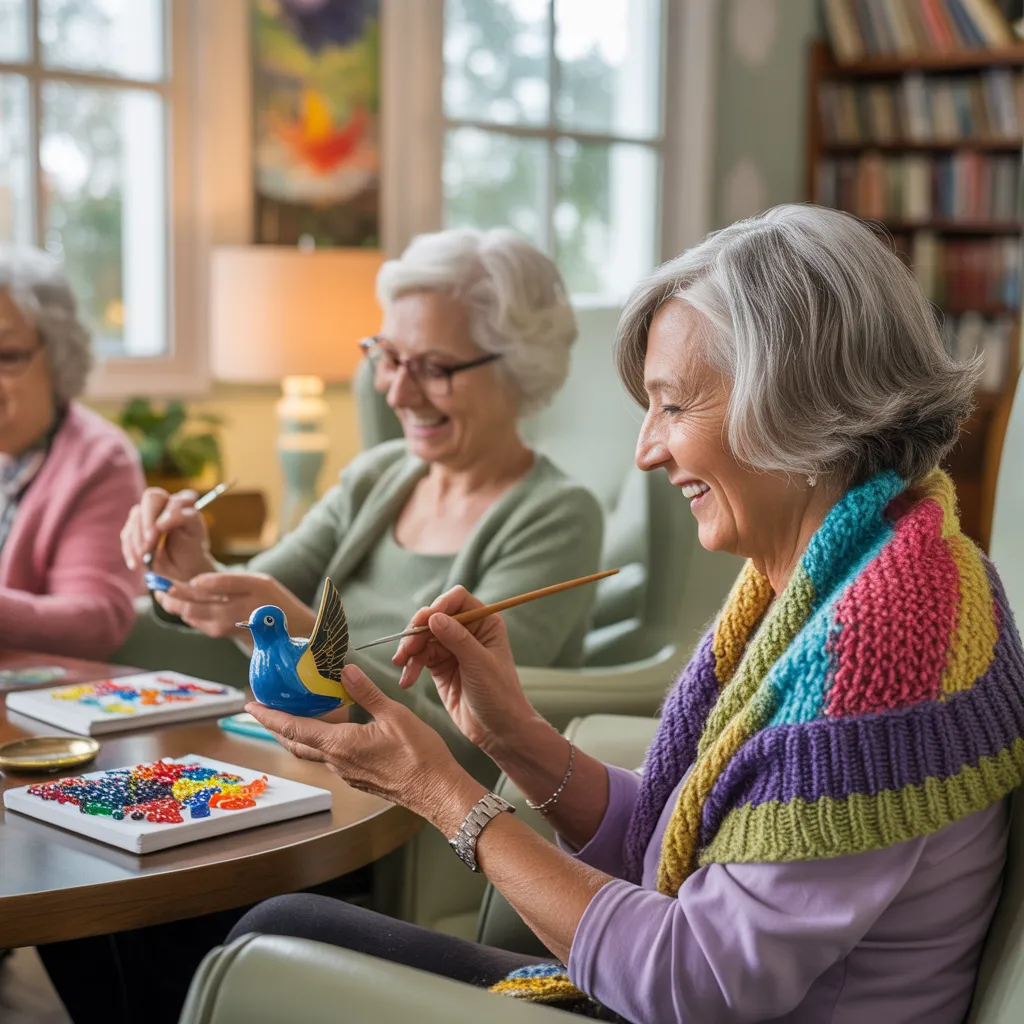
While fostering a community spirit, connection-building activities in senior living environments play an essential role in improving residents' social engagement. Participating in collective activities such as art classes, gardening clubs, and game nights promotes socializing and camaraderie among residents. These common activities reduce social barriers and foster a nurturing environment.
Also, structured outings, such as visits to local theaters or nature parks, give residents chances for residents to bond over shared interests and experiences outside the facility. Periodic social events, including potluck dinners and holiday celebrations, strengthen relationships through active communal participation.
Additionally, volunteer roles across the community can create a sense of meaning while uniting residents with one another and the broader community. Overall, these activities not only improve residents' lives but also foster a vibrant and interconnected living environment.
Lifelong Learning Opportunities for Mature Adults
Aging adults benefit greatly from exploring new ideas and perspectives, which can improve their quality of life. Workshops and lectures commonly feature guest speakers, creating a vibrant atmosphere where residents can ask questions and share insights. Additionally, online courses ensure flexibility, allowing seniors to learn at their own pace.
The Way Community Increases Senior Satisfaction
As individuals age, the sense of belonging to a community can greatly enhance their overall happiness. Engaging with community members fosters meaningful connections, which are essential for emotional explore this topic well-being. Social circles provide chances for social engagement, reducing emotions of disconnection and solitude that often accompany aging. Regular participation in organized activities—such as seminars, outings, or communal meals—motivates older people to forge friendships, share experiences, and stand by each other.
In addition, a vibrant community often establishes a sense of purpose. When seniors implement their skills and knowledge, they become valued and engaged, substantially elevating their self-esteem. Access to resources, like health services and leisure amenities, within a community can also uplift their life quality.
In the end, a strong community network not only enhances happiness but can also lead to healthier, more fulfilling lives for seniors, enabling them to embrace their golden years with enthusiasm and happiness.
Frequently Posed Questions
What Is the Cost of Residing at Senior Living Facilities?
Charges connected to senior living facilities could contain monthly rent, utility fees, care services, meal plans, and additional amenities. Financial considerations shift notably based on location, facility type, and level of care required.
How Should I Pick Out the Appropriate Senior Care Community?
Selecting the appropriate assisted living facility involves assessing personal needs, visiting potential facilities, assessing services offered, considering location, and reviewing costs. Engaging with current residents can provide valuable insights into the community's atmosphere and quality of life.
Which Styles of Dwelling Units Are Provided in Elderly Care Facilities?
Multiple residential options within senior living span independent apartments, assisted living units, memory care suites, and skilled nursing facilities. All options serve distinct needs, allowing residents to select an ideal environment matching their lifestyle and health requirements.
Do Senior Living Communities Permit Animals?
Senior living communities often welcome pets, recognizing their beneficial effects on resident wellness. Policies vary, however, with some places enforcing breed or size guidelines and demanding pet deposits to maintain a tranquil setting.
What Approaches Can Family Members Remain Involved in a Older Adult's Life?
Family members can stay connected in a senior's life by arranging frequent check-ins, participating in activities together, staying in touch via regular phone calls and texts, and assisting with digital tools to maintain connections and share experiences effectively.
Comments on “Learn About secure memory care residences”